






Choosing the right learning environment during a child’s early years is one of the most meaningful decisions a family can make. Many parents today explore international primary school options and international kindergarten in Singapore because these pathways emphasise adaptability, inquiry-based learning, and multicultural experiences. New ideas continue to reshape how children learn, socialise, and build essential life habits as education landscapes evolve.
A New Wave of Learning Philosophy
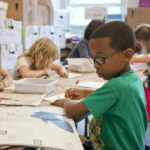
Across international primary schools in Singapore, the shift towards student-led exploration is becoming more defined. Instead of relying solely on traditional instruction, learning environments now focus on guided discovery, where educators encourage children to ask questions, experiment, and make sense of new ideas through hands-on experiences.
Programmes support communication, collaboration, and emotional awareness from the outset. This aligns well with the importance of play-based inquiry in improving problem-solving skills and early cognitive development. This evolution influences how families explore international kindergarten in Singapore that integrates structured curiosity with developmental guidance.
Creating Early Learning Environments That Inspire Risk-Taking
Gone are the days when early-years classrooms were filled with static furniture and predictable routines. Many international primary schools in Singapore use flexible learning corners, sensory zones, and outdoor inquiry areas that encourage children to explore different modes of learning.
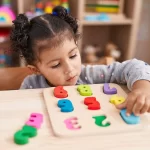
Similarly, within international kindergarten programmes in Singapore, schools position play as an intentional learning tool. Children experience language-rich environments where educators support thinking habits that evolve naturally through interaction. Such environments help learners gain independence while staying grounded in developmental expectations.
Innovation in How Educators Observe and Respond
Perhaps the most transformative shift is occurring in teacher practice. Educators in international settings increasingly adopt observational strategies rather than rigid instruction. Teachers observe how children engage with activities, adapting support based on developmental cues.
For international primary schools in Singapore, this approach allows students to progress at a pace that respects their learning patterns. Observational frameworks give educators richer insight into how children process information, which then shapes curriculum decisions. In international kindergarten programmes in Singapore, this method supports early identification of strengths and emerging needs, helping educators to adjust environments or scaffold activities thoughtfully.
Interdisciplinary Learning as the New Normal
A growing trend in global education is the integration of interdisciplinary learning. This means children explore themes that weave language, numeracy, creativity, and personal development together. Interdisciplinary learning encourages stronger retention and better connections across concepts.
International primary schools in Singapore often adopt this approach to help children see learning as a continuous flow rather than separate, unrelated tasks. For younger learners in international kindergartens in Singapore, thematic units spark curiosity by situating concepts in familiar, meaningful contexts.
Technology That Supports, Not Overwhelms
Modern international schools value digital tools, but innovation here is purposeful rather than excessive. Rather than immersing young children in high-tech classrooms, many schools use technology sparingly to support documentation, language development, and interactive storytelling.
This balanced approach prevents overstimulation and helps families feel confident that their children’s screen exposure remains developmentally appropriate. In the context of international primary schools in Singapore, technology becomes a tool that enhances collaborative projects or provides alternative ways for students to share their ideas.
Community, Culture, and Global Awareness
Another innovation shaping international education is the incorporation of global thinking from the early years. Children are exposed to multicultural perspectives through stories, activities, and social interactions. This helps them build empathy and cultural awareness for families seeking international kindergarten programmes in Singapore that prepare children for diverse environments.
Primary-level learners build social responsibility and awareness of community roles. Many schools place importance on collaborative activities that encourage cooperation, negotiation, and shared problem-solving. These values reflect international approaches to future-ready education.
What Families Should Consider Next
Innovation in education thrives when tied to purposeful, research-supported practice. As international primary schools in Singapore adopt flexible learning frameworks and responsive teaching, families searching for consistency between early-years programmes and primary-level expectations often gain a clearer picture of what progression could look like.
For those exploring international kindergarten options in Singapore, understanding the school’s early-years philosophy can help predict how children will transition into primary learning. Programmes grounded in inquiry, reflection, and social-emotional growth often align well with families who value long-term development beyond academics.
Conclusion
Innovation in international education continues to reshape how young learners experience school. Whether assessing international primary schools in Singapore or exploring international kindergarten pathways, the next big leap lies in environments that encourage curiosity, resilience, and meaningful interaction. As you evaluate your child’s next step, imagine how these innovations could influence their confidence, adaptability, and enjoyment of learning. With thoughtful planning, this is a field where small choices today can redefine stronger possibilities for tomorrow.
Ready to imagine your child in an environment built for exploration? Enquire at Middleton International School and explore how innovative pathways can help shape a future filled with growth today.