






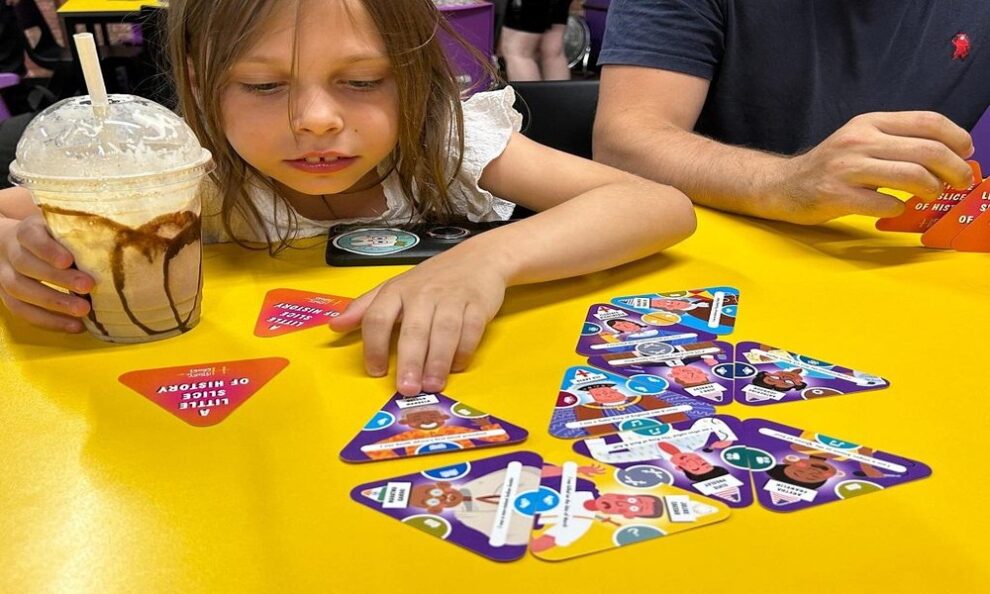

History doesn’t have to live only in textbooks or museums. In recent years, card games have emerged as a surprisingly powerful way to bring the past to life-placing historical figures, events, and timelines directly into players’ hands.
These games combine learning and fun, turning education into an engaging, interactive experience that feels like play rather than work. Whether used in classrooms, family game nights, or casual gatherings, history-themed card games offer an engaging gateway to the past.
Why Card Games Work for Learning History
Card games are naturally suited for teaching historical facts because they rely on repetition, comparison, and storytelling. Players engage by reading cards, recalling information, and making decisions based on the details provided. This active engagement helps reinforce memory far more effectively than passive reading. Many history-focused card games also encourage discussion-players debate outcomes, question timelines, and share insights, which deepens understanding and retention.
Another advantage is accessibility. Unlike complex board games, card games are typically compact, affordable, and quick to learn. A short play session can still expose players to dozens of historical facts, making them ideal for both educational settings and casual use.
Card Games That Bring History to Life
Several custom card games have successfully combined solid gameplay with accurate historical content.
Timeline is a well-known example that tests players’ ability to arrange events in the correct chronological order. Covering topics such as world history, inventions, and discoveries, the game subtly builds a sense of historical sequence. Players may start knowing only fragments, but by the end of a few rounds, they gain a clearer understanding of how events connect across centuries.
Chronology offers a similar experience, focusing on ordering events from ancient civilizations to modern times. The simple mechanics make it accessible to younger players, while the breadth of content keeps adults engaged.
Anachronism, though more complex, immerses players in medieval combat and politics. Each card features historical characters, weapons, and philosophies, encouraging players to explore medieval history through strategic play. While it leans more toward enthusiasts, it demonstrates how deeply history can be woven into game mechanics.
Munchkin: Legends and other historically inspired spin-offs may not teach precise dates, but they introduce players to mythological and legendary figures rooted in history. These games often spark curiosity, prompting players to look up the real stories behind the characters.
Educational Benefits Beyond Facts
History card games do more than teach names and dates. They help players develop critical thinking skills by comparing events, understanding cause and effect, and recognizing historical patterns. Many games also highlight lesser-known facts, moving beyond the most commonly taught narratives.
For younger players, these games can spark an early interest in history, making it feel approachable rather than intimidating. For adults, they offer a refreshing way to revisit historical knowledge and fill in gaps, often leading to lively conversations and shared learning.
Using Card Games in Classrooms and at Home
Educators increasingly use card games as teaching tools. A short game session can serve as an engaging introduction to a new topic or a review activity before exams. At home, parents can use these games to supplement school lessons without the pressure of formal study.
The key is choosing games that balance accuracy with fun. Well-researched content ensures that players learn correct information, while enjoyable gameplay keeps them coming back for more.
Holding History in Your Hands
Card games prove that history doesn’t have to be distant or dull. By transforming facts into interactive challenges, they make the past tangible and memorable.
Each shuffled deck becomes a miniature time machine-one that invites players to explore, question, and connect with history in a way that feels personal and hands-on.