

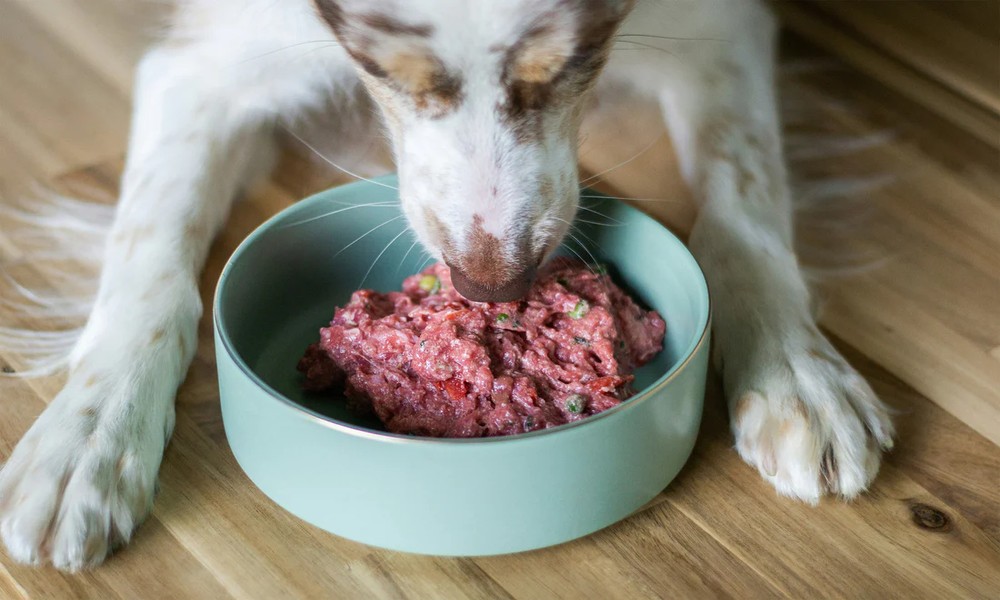
Modern pet owners are becoming far more selective about what they feed their dogs. Instead of choosing treats based only on flavour or packaging, many now spend time reading ingredient labels and researching nutritional value. This change reflects a growing understanding that frequent rewards can significantly affect a dog’s overall health.
Simple ingredient lists with recognisable foods are often preferred over products filled with artificial preservatives or unnecessary additives. Owners want reassurance that the rewards they provide contribute positively to their pets’ well being instead of creating avoidable dietary concerns.
Natural Rewards Are Influencing Everyday Feeding Habits
Treats are no longer viewed as occasional extras. They are now part of many dogs’ daily routines, whether used during walks, training sessions, travel, or quiet time at home. Because treats are given so frequently, owners are beginning to apply the same nutritional standards to rewards that they apply to regular meals.
This shift has encouraged a broader movement toward healthier feeding habits. Dogs are increasingly receiving treats that focus on quality proteins, natural textures, and balanced nutrition rather than highly processed ingredients.
The Rise of Functional Dog Treats
One unique trend within canine nutrition is the growing interest in functional treats. These are rewards designed to support specific wellness goals while still being enjoyable for dogs.
Some treats are selected to support dental hygiene, while others may help maintain mobility, digestion, or skin condition. The idea behind this approach is to make every snack more purposeful. Instead of giving empty calorie rewards, owners are searching for products that deliver added value.
This trend has helped increase demand for Dog Natural Treats that combine simple ingredients with practical health benefits.
Texture and Chewing Satisfaction Matter More Than Ever
Another reason natural rewards are becoming popular is the importance of chewing satisfaction. Dogs naturally enjoy chewing because it relieves boredom, reduces stress, and supports mental stimulation.
Natural chews often provide longer lasting engagement compared to heavily processed snacks. Pet owners appreciate products that keep dogs occupied in a healthy and productive way without relying on artificial flavour enhancers.
Chewing has also become associated with behavioural wellness. Dogs that receive proper mental stimulation are often calmer and more relaxed in home environments.
Consumers Are Moving Away From Artificial Colours
Artificial colouring in dog treats is becoming less attractive to many buyers. Owners are starting to question why bright colours are necessary in pet snacks when dogs respond more to smell and taste than appearance.
Natural treats with authentic textures and realistic colours are increasingly seen as more trustworthy and nutritious. This preference reflects the broader clean label movement already influencing human food industries.
As a result, many pet product manufacturers are simplifying their formulas and reducing unnecessary visual additives.
Smaller Portion Rewards Are Gaining Popularity
Another noticeable shift is the preference for smaller but higher quality treats. Owners are learning that frequent large snacks may contribute to unnecessary weight gain, especially for indoor or aging dogs.
Mini natural treats are now commonly used for training and behaviour reinforcement because they allow owners to reward dogs multiple times without excessive feeding. This approach supports healthier weight management while maintaining positive routines.
Smaller treats also encourage mindful feeding practices, where quality becomes more important than quantity.
Ethical and Sustainable Choices Are Influencing Buying Decisions
Sustainability is beginning to shape canine nutrition trends as well. Many consumers are considering how treats are sourced and produced before making purchasing decisions.
Natural products that emphasise responsible sourcing, reduced processing, or environmentally conscious packaging are attracting attention from modern pet owners. This reflects a wider lifestyle trend where consumers aim to make thoughtful purchasing choices across all areas of life, including pet care.
A Long Term Change in Canine Wellness
The shift toward natural rewards is not simply a short lived trend. It represents a deeper change in how people care for their pets. Dogs are increasingly treated as family members whose nutrition deserves the same level of attention given to human diets.
As awareness grows, natural rewards are likely to remain central to canine wellness strategies. Pet owners now expect treats to do more than simply taste good. They want products that support health, encourage positive habits, and contribute to a better quality of life for their dogs every day.