
A CPR course teaches someone how to keep a person alive in the minutes before an ambulance gets there. That means chest compressions and rescue breaths, plus how to handle choking and use an AED. People who look up CPR Classes near me tend to fall into two camps. One group has an employer asking for a certificate by a certain date. The other just watched a scary video, or has a toddler, and wants to know what to do if the worst happens. A well run course works for both.
Who Takes CPR Training?
Nurses and nursing students make up a big share, since most clinical jobs require a current card. Personal trainers sign up, and so do teachers and youth coaches. Construction crews often need it for site safety rules. Paramedics and EMTs take a more advanced version.
Then there’s everyone else. A grandmother who watches three grandkids on weekdays. A man looking after his father after a heart scare. A homeschool family who books a session for their two teenagers.
What the Course Covers
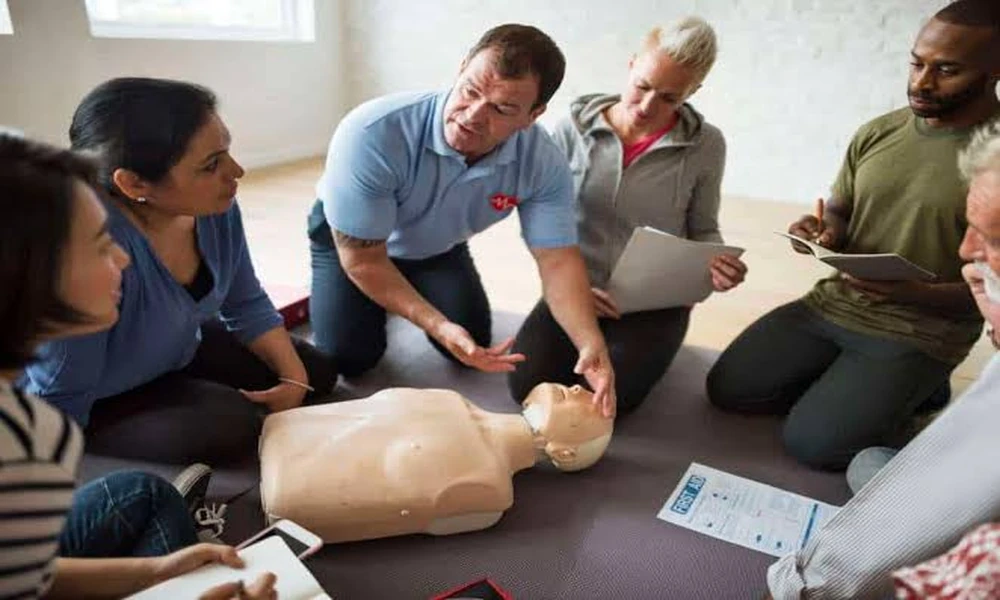
Training built on American Heart Association guidelines is hands on from early in the session. Students kneel next to a manikin and push, which feels very different from watching someone else do it on a screen.
Expect to practice most of the following.
- Checking whether a person responds and is breathing normally
- Calling 911 and sending someone to grab an AED
- Pushing hard and fast on the center of the chest
- Giving rescue breaths through a pocket mask
- Attaching AED pads and following the voice prompts
- Clearing a choking adult, then a child, then an infant
If first aid is added, the course also covers bleeding, burns, allergic reactions and a few other everyday emergencies.
Healthcare and General Public Courses
There are two main tracks. The healthcare version, often called Basic Life Support, adds team rescue, bag mask breathing and more detailed patient checks. The general public course keeps to what one person can do on their own.
Getting this wrong is a common headache. A hospital will often reject the general public card, so anyone working in healthcare should confirm which course their employer wants before paying.
Finding a Local Training Center
Most local training sites run cpr classes on a rolling calendar, with weekday mornings, evenings and some Saturdays. A quick phone call is the easiest way to check open seats and make sure the right course type is booked.
Students in the Lake County area, including Leesburg and other nearby Central Florida towns, can reach this American Heart Association training site.
CPR Certify4u Clermont
8525 Doral Dr., Suite B
Clermont, FL 34711
(352) 404 4667
Groups from workplaces and schools can usually arrange their own session.
A Skill Worth Having Ready
Most people who learn CPR never have to use it. The ones who do don’t get a warning. It might be a neighbor at a backyard barbecue or a stranger who drops in a grocery store checkout line. Someone who has practiced on a manikin, even once, is far more likely to step forward, kneel down and start pushing.