
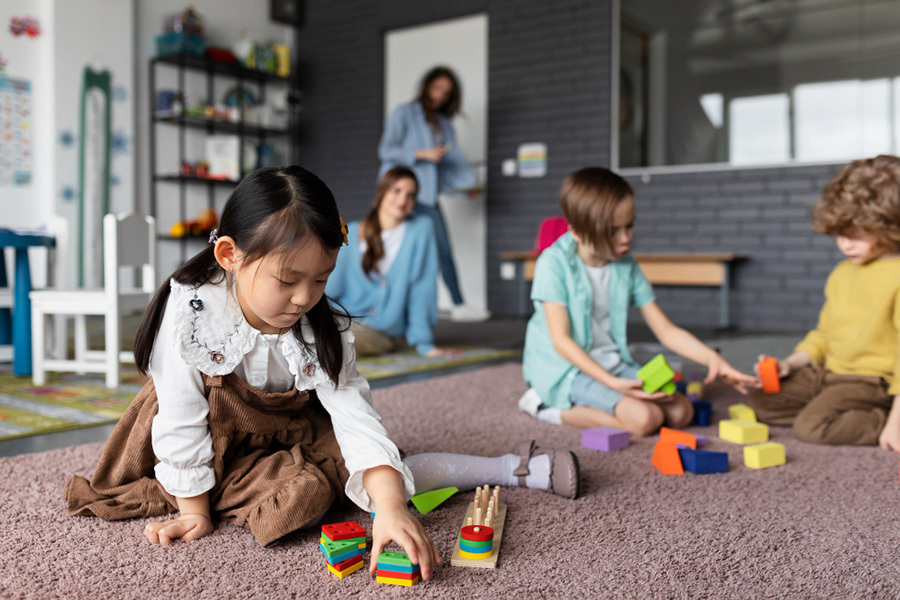
The early years of a child’s life are more than just a stepping stone to school. They are the foundation upon which every future experience, achievement, and relationship is built. During this period, children develop the essential skills that shape how they think, communicate, and interact with the world. Choosing the right early years environment can make a lasting difference, not only in academic readiness, but in confidence, independence, and emotional wellbeing.
From birth to the age of five, children experience rapid brain development. In fact, more than 90 percent of brain growth occurs before the age of five. This is why early education is so influential. Children are constantly absorbing information from their surroundings, forming connections, and learning how to understand and navigate the world. A supportive and stimulating environment helps ensure these early experiences are positive and meaningful.
Building Confidence through Encouragement and Support
Confidence is not something children are born with. It develops gradually through encouragement, exploration, and positive reinforcement. When children are given the opportunity to try new things and are supported regardless of the outcome, they begin to trust their abilities.
In a quality early years setting, educators focus on nurturing each child’s sense of self. They celebrate small achievements, provide reassurance, and encourage children to express themselves. This helps children develop a strong sense of identity and self worth. Confident children are more willing to participate, ask questions, and engage with new experiences.
This confidence carries forward into later education. Children who believe in themselves are more likely to overcome challenges, adapt to change, and remain resilient when faced with difficulties.
The Role of Routine in Creating Security and Stability
Routine plays a vital role in helping children feel secure. Predictable daily structures help children understand what to expect, reducing anxiety and creating a sense of stability. Knowing when it is time to play, eat, learn, and rest helps children feel safe and in control.
Structured routines also teach children important life skills such as responsibility, patience, and organisation. These skills prepare them for the expectations of primary school and beyond. When children are familiar with routines, transitions become smoother and less stressful.
At environments such as kensington kindergarten, structured routines are balanced with creative exploration. This approach ensures children feel secure while still having the freedom to discover, imagine, and grow.
Supporting Communication and Language Development
Communication is one of the most critical skills children develop during their early years. Through conversation, storytelling, singing, and play, children learn how to express their thoughts and understand others.
Early exposure to language helps children expand their vocabulary, improve listening skills, and develop the ability to communicate clearly. This not only supports academic success, but also strengthens social relationships.
Educators play a key role in encouraging communication by engaging children in meaningful conversations and activities. They create opportunities for children to share ideas, ask questions, and participate in group discussions. These experiences help children develop confidence in their voice.
Encouraging Curiosity and a Love of Learning
Children are naturally curious. They want to explore, ask questions, and understand how things work. A strong early years environment nurtures this curiosity rather than limiting it.
Through hands on activities, creative play, and exploration, children learn to think independently. They develop problem solving skills and discover the joy of learning. This early enthusiasm becomes the foundation for lifelong education.
When learning feels enjoyable and engaging, children associate education with positive emotions. This mindset stays with them as they progress through school and into adulthood.
Developing Social Skills that Last a Lifetime
Early education also helps children learn how to interact with others. They begin to understand sharing, cooperation, and empathy. These experiences teach children how to build friendships and navigate social situations.
Learning to work and play alongside others helps children develop emotional intelligence. They learn how to recognise feelings, resolve conflicts, and communicate respectfully. These skills are essential not only in school, but throughout life.
Investing in Your Child’s Future
The early years are a unique and powerful window of opportunity. The experiences children have during this time shape their confidence, abilities, and outlook on learning. By providing a nurturing, supportive, and stimulating environment, parents can give their children the best possible start.
The benefits of early childhood education extend far beyond the classroom. They influence how children see themselves, how they interact with others, and how they approach challenges. Investing in the right early years setting is one of the most meaningful decisions a parent can make, creating a strong foundation for lifelong success, happiness, and growth.